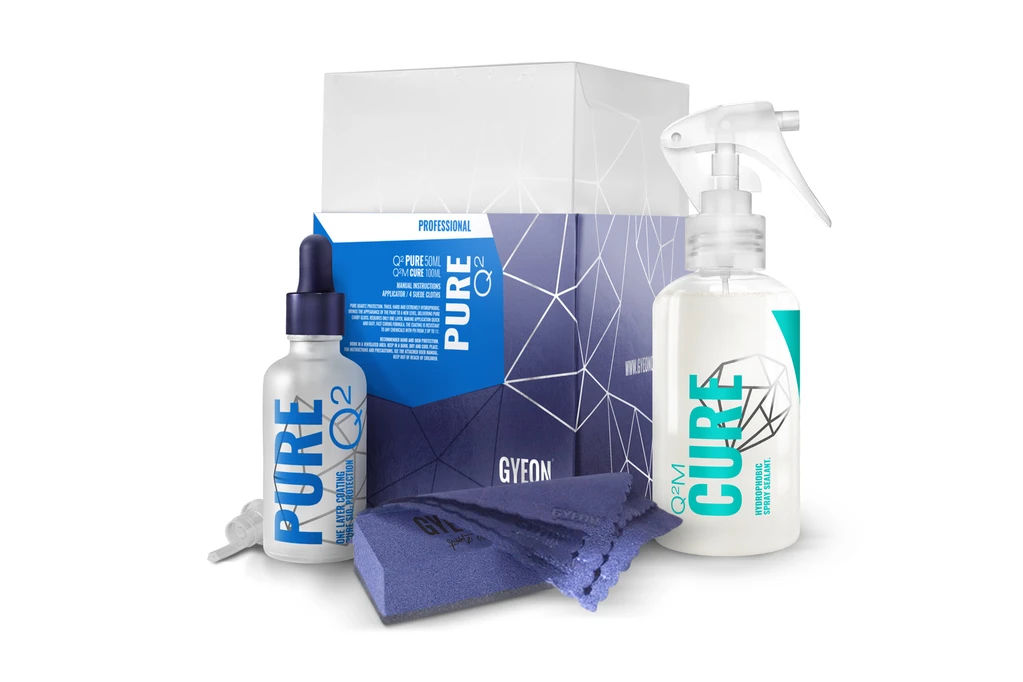
Are you thinking about having a ceramic coating applied to your car? Do claims of it preserving your car’s paintwork hold true? Is it better than wax? is it worth the money?
This article explains the basics of ceramic coating for cars. What it is, what are its advantages and disadvantages, and how it fares against waxing and other alternatives.
Read on..
What is Ceramic Coating?
Professional grade ceramic coating is a chemical polymer that is applied to the exterior of a vehicle to protect it from external paint damage. Typically applied by hand, it blends with the paint of your car and creates an additional hydrophobic layer of protection.
Due to this chemical bonding and creation of a new layer, the car’s factory paint job remains untouched.
Ceramic Coating, in reality, is an alternative to waxing. The main idea is to prevent dirt, grime, and stain marks from appearing on your paintwork and ruining the clear coat.
Ceramic coating, also sometimes called 9H Nano Ceramic coating (pH references the hardness of the coating) is a semi-permanent solution, it does not degrade in normal atmospheric conditions like rain, summer or winter.
Ceramic Coating Advantages and Benefits
- Protection from Harmful UV Rays
You can only imagine the damage that the sun’s harmful UV rays can do to your car’s paintwork. Ceramic coating will protect your car’s paint from oxidisation, preventing it from fading and looking dull. This is important if your car is parked outside. - Protection from Chemical Stains
Chemical stains arising from acidic contaminants in the air is another potential damage to your car. A coating will prevent these contaminants from bonding into the paint. - Hydrophobic Water Behaviour, Ease of Cleaning
When it comes to waxing and other types of detailing, washing your car can be a headache. With ceramic coating, you don’t have to worry about the coating wearing off. Ceramic coating bonds with your car’s paintwork and also repels water. This means that all water-based grime will bead on the surface and eventually slide off. A quick jet wash and snow foam and you have yourself a clean, glossy car. - Ultimate Finish and Gloss
Ceramic Coating is for those who want an ultimate shine finish. It will give your car a deep glossy look, bringing the best out of the original paintwork. Reviews from both users and auto industry experts have been extremely positive throughout the UK.
Is Ceramic Coating Worth it?
Yes! Ceramic Coating has great benefits that will add value to your car in the long term. It will make cleaning and maintaining your pride and joy less tedious. So that you spend more time driving and enjoying your car than thinking about ways to keep it protected.
Ceramic Coating is not a one-stop solution for all your paintwork worries. There’s no one product on the market that will guarantee a complete protection of your car. However, ceramic coating is one of the best car paint protection options available today.
Options and Costings
Applying a 9H Nano Ceramic Coating is a skilled and professional job, just google ‘ceramic coating fails’ to see what can happen if this is done incorrectly it can cost thousands to put right including having to wet sand the entire car, its not something that should be attempted by a DIY’er.
Our Ceramic coatings are 18 month / 20,000 mile coatings from Gyeon Pure.
This can be applied to paintwork as well as glass and wheels on request, preparation is KEY and we would only advise applying a ceramic coating after a full Stage 2 machine polish and paintwork correction so you are sealing in the paintwork in the absolutely best condition possible.
Typically if we are asked to do this to a customers car they would be happy to pay in the region of £225-£350 for the full paintwork correction - this depends on the siz4e of car/van and complexity of the preparation job. In addition, ceramic coating would be an additional £225 - £400 depending on the size of the car and if we were to include the glass and wheels in the coating process.
If you’re a customer buying an imported vehicle from us and have opted for the Classic, Premium, Premium+ or Platinum package the great news is that the Stage 1 and 2 paintwork preparation is included in the on the road cost (OTR).
We will also discount the Gyeon Pure 18 month Ceramic Coating costs as follows:
- Full Paintwork coating = £210 inc VAT (MPV’s / Vans please add £30)
- Glass Coating = £85 inc VAT
- Wheel Coating = £65 inc VAT
We want you to thoroughly enjoy your car not just the day you collect it but wash after wash..
How to Maintain your Ceramic Coating
Here are five steps that you should follow to extend the lifespan of your ceramic coating.
- Use the Two-Bucket Method for Washing
The two-bucket method of washing a car is proven to reduce swirl marks and produce the best wash results. For those who are not aware, the two-bucket wash method is using one bucket for soaking your wash mitt – while the other is used to clean the wash mitt after each section you wash on the car.
The ‘rinse’ bucket is filled with clean water, has grit guards and used to simply rinse any dirt or debris from the wash mitt after each, individual section. - Wash Your Car Fortnightly
Whether you have a daily driver or a favourite weekend car, it’s recommended to wash your car every 2 weeks. This will help to avoid the excessive build-up of contaminants. Even if you use a car cover on the vehicle, remember, car covers collect dust, which can penetrate underneath in microscopic levels. - Do Not Wash the Vehicle in Direct Sunlight
Direct sunlight creates heat, especially dark vehicles – which is kryptonite to ceramic coatings. To ensure you get the best results from your maintenance, make sure you wash the car in a shaded area, outdoors (out of direct sunlight).
It’s always best to wash the car when the sun is at its lowest levels, early morning or early evening. This this will also help to avoid water spots and streaking. If you do end up with water spots, you can use a specialised water spot remover to remove the spotting. - Use a PH Neutral Car Shampoo
It’s always best to use a quality PH neutral car shampoo without added wax or polish – just straight, good old shampoo like Autoglym bodywork shampoo.
When you wash always wash from top to bottom and rinse each section as you finish. - Use Separate Wash Buckets and Mitts for lower areas and Wheels
Tyres and wheels collect brake dust and carbon deposits, which is basically microscopic pieces of metal shavings. You don’t want to use a wash mitt with tiny pieces of metal to wash your ceramic coated paintwork. Always use separate wash mitts for lower areas of your vehicle, including wheels and sills.